Signal in the Wild: Proven Performance
Benchmarks aren’t lab numbers; they’re lived moments. From the roar of Lusail Stadium to the quiet focus of a hospital corridor, we measure success by silence—the absence of complaints, not just the presence of bars. In the field, coverage is proven by what it doesn’t interrupt.
"We measure success by silence—the absence of complaints, not just the presence of bars."
4K live stream. Zero buffering during peak crowd load.
Telemedicine consult. Stable uplink for diagnostic imagery.
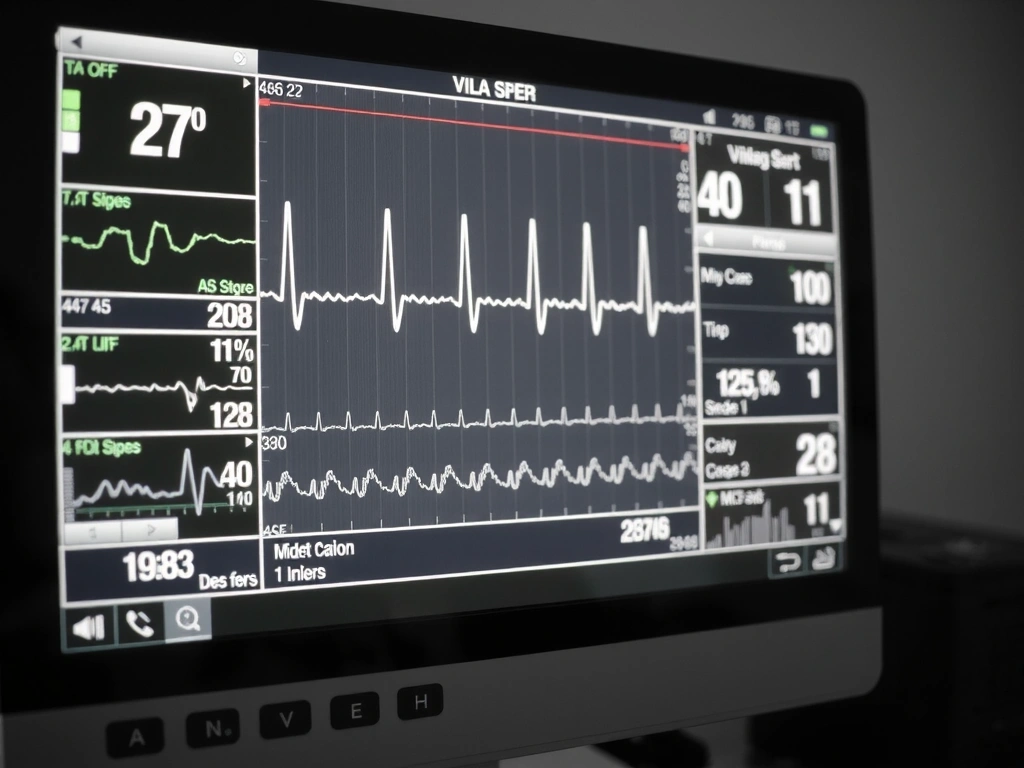
AGV telemetry loop. Continuous control signal.

Executive Summary Qatar’s 5G coverage is not a blanket promise—it is a designed system, architected for density, continuity, and resilience. The network follows the flow of people, not just roads, ensuring that where you stand matters less than where you’re going.
The Doha Spine: A Signal Story
Dawn breaks over the Corniche. A commuter streams a 4K sports recap while walking to the Metro; a delivery rider checks an encrypted route in real time; a café’s outdoor menu updates via a silent 5G handshake. The network is invisible, but its presence is felt in the absence of lag.
Small cells are tucked under palm fronds, rooftop panels disguised as architectural trim. The curve of the Corniche creates micro-shadows where signal struggles to reach; we mitigate with staggered poles and reflective surfaces. From Souq Waqif’s historic alleys to Msheireb’s glass canyons and Lusail’s hyper-modern boulevards, coverage density shifts to match the rhythm of life.
The Spine is more than infrastructure—it’s a living organism. The signal follows the flow of people, not just roads. When the stadium lights up, bandwidth reallocates in milliseconds. When a tourist uploads a panoramic photo, uplink prioritizes the burst. The invisible handoff keeps the story moving.

The Invisible Handoff
You’re driving across the West Bay bridge. Your podcast plays flawlessly as the signal moves from one micro-cell to another. You don’t notice because the switch happens in 18 milliseconds—faster than your brain can register a pause. This is dual-connectivity: your device talks to two towers at once, with the network predicting your path and pre-loading the next cell.
Edge computing keeps content local, reducing round-trip time. If 5G drops, fallback logic slides you to 4G without breaking your session. The handoff is engineered to be silent; continuity is the product.

Coverage by Design: Where the Signal Reaches
Coverage is not uniform; it’s a system of zones, each engineered for the way people live, work, and move.




Operator Decision Lens
Choosing between indoor and outdoor small cells? Use this field-tested checklist to align coverage design with actual usage patterns.
Questions Investors Should Ask
Ready to assess your site?
Get a coverage audit tailored to your footprint and usage profile.
Technical Specifications Reference
Latency targets, spectrum bands, and deployment standards for Qatar 5G network.